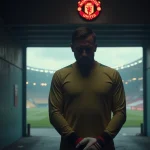
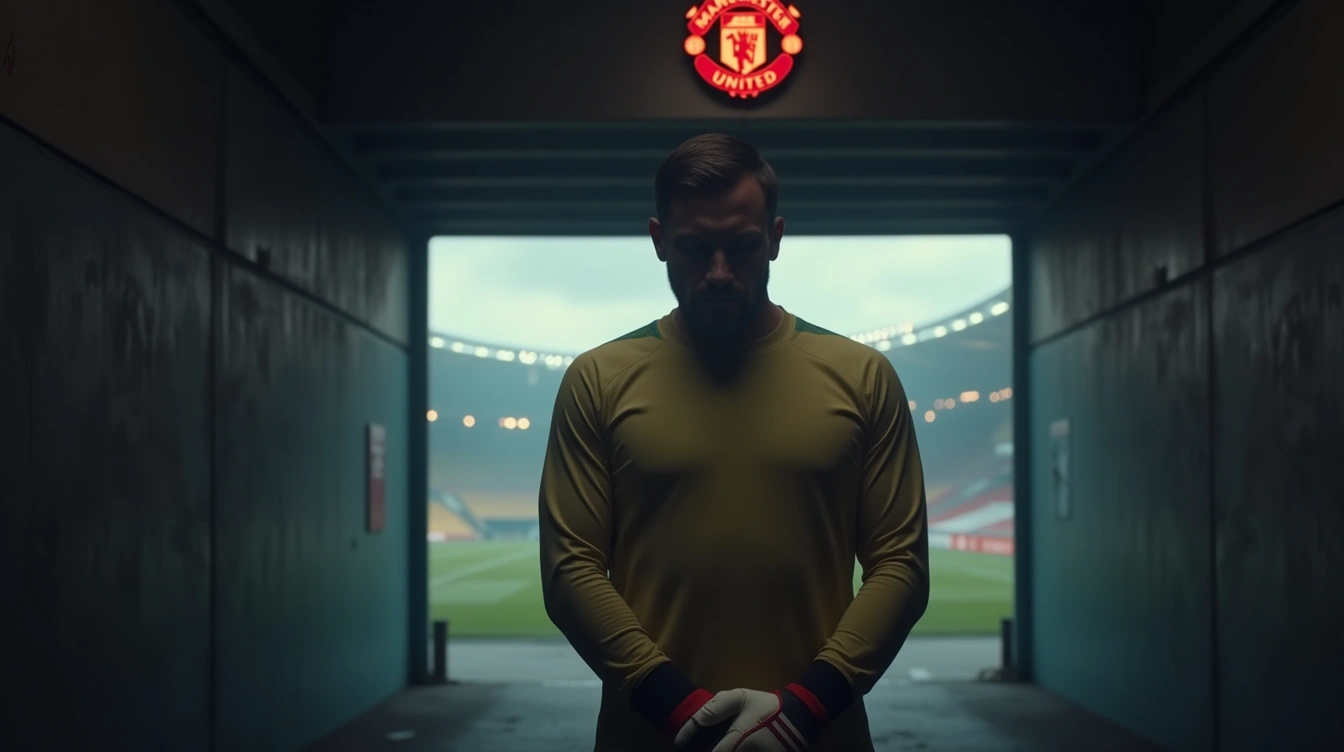
Manchester United’s Ongoing Goalkeeping Crisis Reaches Critical Point
Manchester United’s goalkeeping position has become their most pressing concern as the season progresses. With André Onana conceding 14 goals in 12 Premier League matches according to official league statistics, questions mount about the club’s shot-stopping reliability. Can the Red Devils finally solve their decade-long goalkeeper dilemma, or will this continue to undermine their title aspirations? Access the full content here.
The Root Causes Behind United’s Goalkeeper Instability
Manchester United’s goalkeeper crisis didn’t emerge overnight. The seeds of instability were planted through a series of strategic missteps that have compounded over the past decade, creating a perfect storm of uncertainty between the posts.
Also read : San antonio women seeking men: start your free dating journey
The club’s recruitment philosophy has lacked coherence since Sir Alex Ferguson’s departure. While other top clubs developed clear goalkeeper profiles, United vacillated between different styles. They pursued shot-stoppers like David de Gea, then pivoted to ball-playing keepers, before reverting to traditional approaches without establishing a consistent identity.
Managerial changes have exacerbated this confusion. Each new coach brought different tactical demands and preferences, leaving goalkeepers to constantly adapt their playing style. This tactical inconsistency has prevented any keeper from truly settling into the role and building the confidence essential for elite performance.
In the same genre : How Has the UK’s Political Landscape Evolved in Recent Years?
Perhaps most damaging has been United’s reactive rather than proactive approach to the position. Instead of identifying and nurturing long-term solutions, the club has repeatedly sought quick fixes through panic buys and loan deals, creating an environment where uncertainty breeds more uncertainty.
Current Squad Assessment: Where Things Stand Today
Manchester United’s goalkeeper department presents a complex tactical puzzle that demands immediate evaluation. André Onana arrived with considerable fanfare, yet his adaptation to Premier League football has revealed both promising attributes and concerning vulnerabilities that directly impact the team’s defensive structure.
The Cameroonian’s distribution remains his standout quality, with his ability to initiate attacks from deep positions aligning perfectly with Erik ten Hag’s possession-based philosophy. However, his shot-stopping consistency has raised questions among supporters and analysts alike. Statistical analysis reveals fluctuating performance levels that suggest ongoing adaptation challenges rather than fundamental technical deficiencies.
Behind Onana, the backup options present their own tactical considerations. The depth chart lacks the reliability that championship-caliber teams typically require, particularly when considering the physical demands of competing across multiple competitions. This situation creates additional pressure on the first-choice keeper while limiting tactical flexibility during crucial fixtures.
Ten Hag’s system demands goalkeepers who can function as an additional outfield player during build-up phases. While Onana possesses these technical skills, the overall department’s defensive reliability remains the primary concern affecting the team’s ability to maintain consistent clean sheets and compete at the highest level.
Strategic Transfer Solutions and Market Analysis
Manchester United’s goalkeeper crisis requires immediate strategic intervention in the transfer market. The club must prioritize specific profiles while navigating complex financial constraints to secure long-term stability between the posts.
The Red Devils have identified several key targets and tactical approaches for their goalkeeper recruitment strategy:
- Priority targets: Diogo Costa (FC Porto) and Mike Maignan (AC Milan) lead the shortlist, with both offering proven European experience and distribution skills essential for Ten Hag’s system
- Budget-conscious alternatives: Giorgi Mamardashvili (Valencia) and Bart Verbruggen (Brighton) provide quality options within FFP constraints, priced between €25-40 million
- Tactical requirements: High-line sweeper-keeper capabilities, exceptional ball-playing skills, and Premier League adaptability remain non-negotiable criteria
- Optimal timing: January window offers limited options, making summer 2025 the preferred period for securing first-choice targets
Financial Fair Play regulations will significantly influence United’s approach, potentially forcing the club to sell current assets before making substantial goalkeeper investments. The strategy must balance immediate needs with long-term squad building objectives.
How This Crisis Impacts United’s Season Objectives
The goalkeeper situation at Manchester United has evolved from a positional concern into a strategic crisis that threatens the club’s entire season framework. With European qualification hanging in the balance and domestic cup competitions requiring reliable defensive foundations, the current instability between the posts creates a ripple effect across all competitive fronts.
Erik ten Hag’s tactical system relies heavily on distribution from the back and confident shot-stopping in high-pressure moments. The lack of a established number one disrupts these fundamental principles, forcing the manager to adapt his approach and potentially compromise his preferred style of play. This uncertainty affects not only defensive organization but also the team’s ability to execute quick transitions and maintain possession under pressure.
Perhaps most critically, the psychological impact on the squad cannot be understated. When players lack confidence in their goalkeeper’s ability to deliver in crucial moments, it manifests in defensive hesitancy and altered risk-taking patterns throughout the team. This mental fragility has already cost United valuable points in matches where marginal gains determine success or failure in the race for Champions League qualification.
The Path Forward: Executive Decisions and Timeline
Manchester United’s executives face a critical window that could define the club’s trajectory for years to come. The January transfer window presents an immediate opportunity to address the goalkeeping crisis, but the decisions made now will echo far beyond the current season.
INEOS must act decisively on multiple fronts. The sporting director role requires urgent clarification, with clear lines of authority established between the new ownership structure and existing management. This leadership vacuum has contributed directly to the current goalkeeping uncertainty, where neither long-term planning nor emergency solutions have materialized effectively.
The timeline is unforgiving. January signings typically command premium fees, but delaying until summer risks another six months of instability. Smart clubs identify their targets early and maintain ongoing dialogue with agents and selling clubs. United’s approach must shift from reactive panic buying to strategic succession planning.
Short-term stabilization requires immediate goalkeeper reinforcement, whether through loan deals or permanent signings. Medium-term success demands a comprehensive review of the recruitment process that allowed this situation to develop, ensuring future transfer windows deliver genuine squad improvement rather than expensive experimentation.
Your Questions About United’s Goalkeeping Future
Who should Manchester United sign to replace their current goalkeepers?
United should target proven Premier League performers like Nick Pope or emerging talents such as Diogo Costa. Both offer the consistency and shot-stopping ability that Old Trafford desperately needs for immediate impact.
Why has Manchester United struggled so much with goalkeepers in recent years?
Poor recruitment decisions, lack of consistent coaching philosophy, and immense pressure at Old Trafford have created a cycle of instability. The club has prioritized quick fixes over long-term planning.
Is David de Gea coming back to Manchester United?
A return seems unlikely given his current happiness at Fiorentina and United’s need for a fresh start. The club appears focused on younger alternatives who fit their tactical vision.
What are the best goalkeeper options available for Manchester United?
Mike Maignan, Yann Sommer, and Giorgi Mamardashvili represent the top tier. Each offers different strengths: experience, distribution, and shot-stopping prowess that could transform United’s defensive stability immediately.
How much will Manchester United spend on a new goalkeeper this transfer window?
Expect United to invest £40-60 million for a proven number one. The club recognizes that quality goalkeeping is essential for Champions League qualification and title aspirations next season.